Best Budget Phone Cases Under $20: Tested and Reviewed
The phone in your pocket cost more than most laptops did a decade ago, and the thing standing between it and a shattered screen is often a slip of rubber worth less than a sandwich. That mismatch is why budget cases deserve a serious look instead of a quick glance at the checkout page.
We have spent the past few months rotating cheap cases on and off three phones — an iPhone, a mid-range Samsung, and a Pixel — and living with them the way people actually do. Pockets, car mounts, gym bags, kitchen counters, and a few tumbles onto tile that made everyone in the room go quiet.
Every case got roughly the same treatment: a waist-high drop onto hardwood, another onto concrete, a screen-down push against a table edge, and a couple of weeks of normal use before we formed an opinion. We also paid attention to the boring stuff, because that is where cheap cases reveal themselves:
At this price you are not paying for exotic materials. You are paying for decent molding and sensible design, which is usually enough.
What you get: flexible TPU or a polycarbonate-and-TPU combination, raised edges, textured grip, and corners built to compress on impact. What you give up: tight tolerances, reinforced corner architecture, and the independently tested drop ratings that show up on cases costing three or four times as much. For most people, most of the time, that trade is fine.
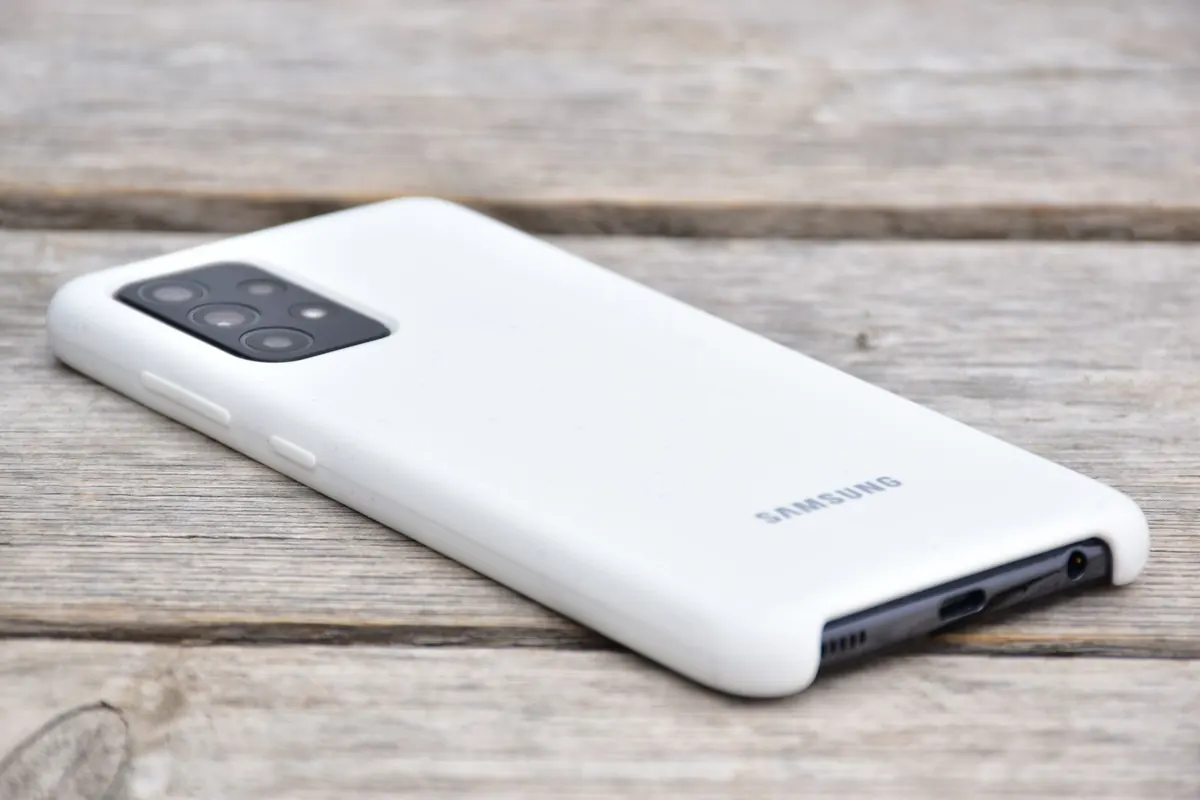
The default choice, and the one most of us ended up using daily. Brands like Spigen and JETech built their reputations on this formula: a single piece of flexible TPU with a matte finish and slightly thickened corners. It adds almost nothing to the phone's footprint, slides into a jeans pocket, and grips better than the bare glass back.
Pros: thin, cheap enough to buy two, easy to install, reliable grip.
Cons: matte finishes eventually polish smooth and stain, the material softens around the edges after a year, and there is no front coverage.
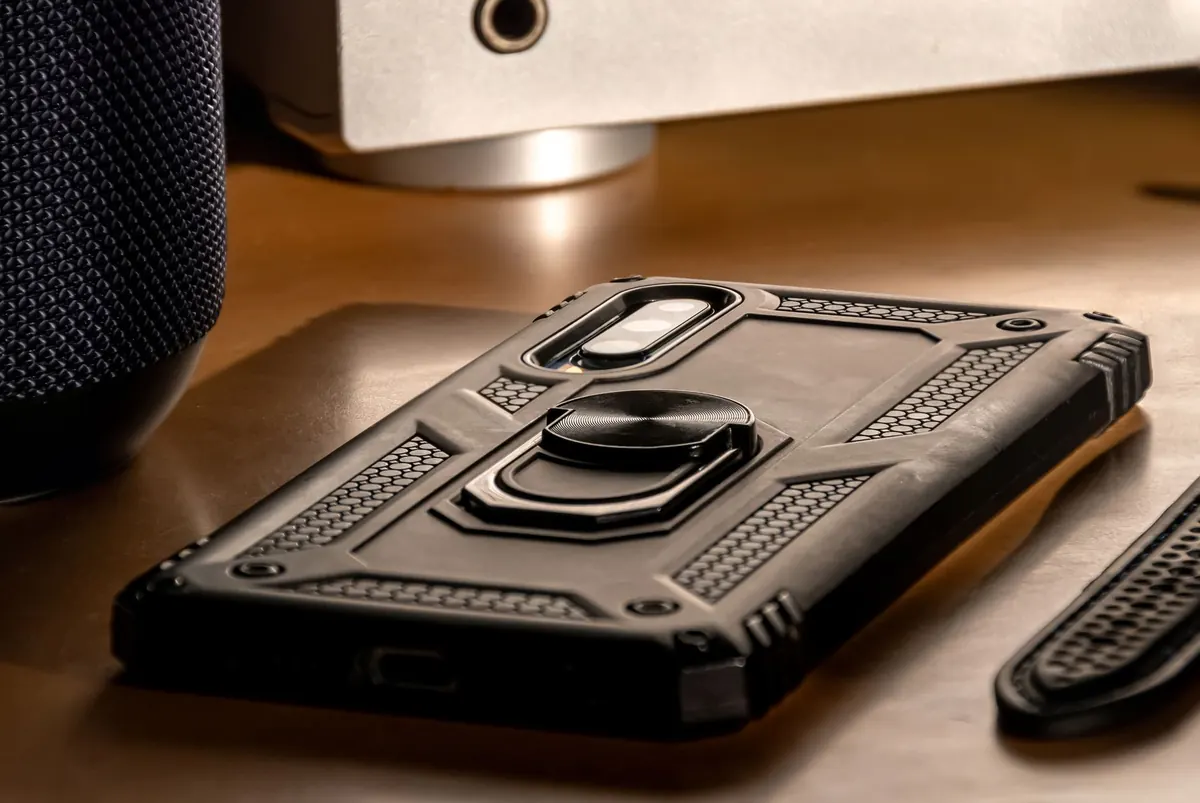
A hard polycarbonate back clipped over a TPU bumper. Buy this one if you work outdoors, have small children, or simply drop your phone often. Corner impacts that rattle a slim shell barely register here.
Pros: the best drop protection you will find under $20, a strong camera lip, and it survives repeated pocketing without deforming.
Cons: noticeably bulky, stiff buttons for the first week, and thick backs can weaken wireless charging or fight with magnetic mounts.
Bought for looks, kept for convenience. The good ones have a slightly frosted interior that hides scratches and a raised ring around the camera module.
Pros: shows off the phone's finish, works with magnetic accessories on some budget models, easy to swap.
Cons: clear TPU yellows, often within six to ten months, and the plastic gets brittle as it ages. Buy these knowing they are semi-disposable.
Soft-touch silicone with a textured back or ribbed sides. If your phone has ever slid off a couch armrest, this is your case.
Pros: excellent grip, comfortable in hand, quiet in a pocket.
Cons: it collects lint like nothing else, and silicone tends to tear right at the charging port cutout. Check that edge before you commit.
A flip cover with two or three card slots. It replaces a wallet and protects the screen in one move.
Pros: screen protection without a screen protector, handy for a transit card or a hotel key.
Cons: the flap adds bulk and gets floppy with use, and the magnetic closure on cheap models loosens over time.
None of these are dealbreakers on their own, but they add up:
Buy a slim TPU shell for everyday carry, add a two-piece rugged frame if your life involves concrete or toddlers, and pick a clear case only if you accept that it has a shelf life. Replace any budget case every year or so — the material stretches, the fit loosens, and the protection quietly drops off.
Prices on these cases move around constantly between sellers and phone models, so check the current listing for your exact handset rather than trusting a figure quoted in any review, this one included. At this price, you can keep a spare in a drawer and still spend less than one screen repair. That is the whole argument.
Photo: Fernando Arcos / Pexels
Previous Post
How to Secure Your Smartphone from Theft: Beyond Just a Case
Next Post
Top 5 Screen Protectors for Curved Screens: A Comprehensive Review