Waterproof vs. Water-Resistant Cases: What's the Difference and Which Do You Need?
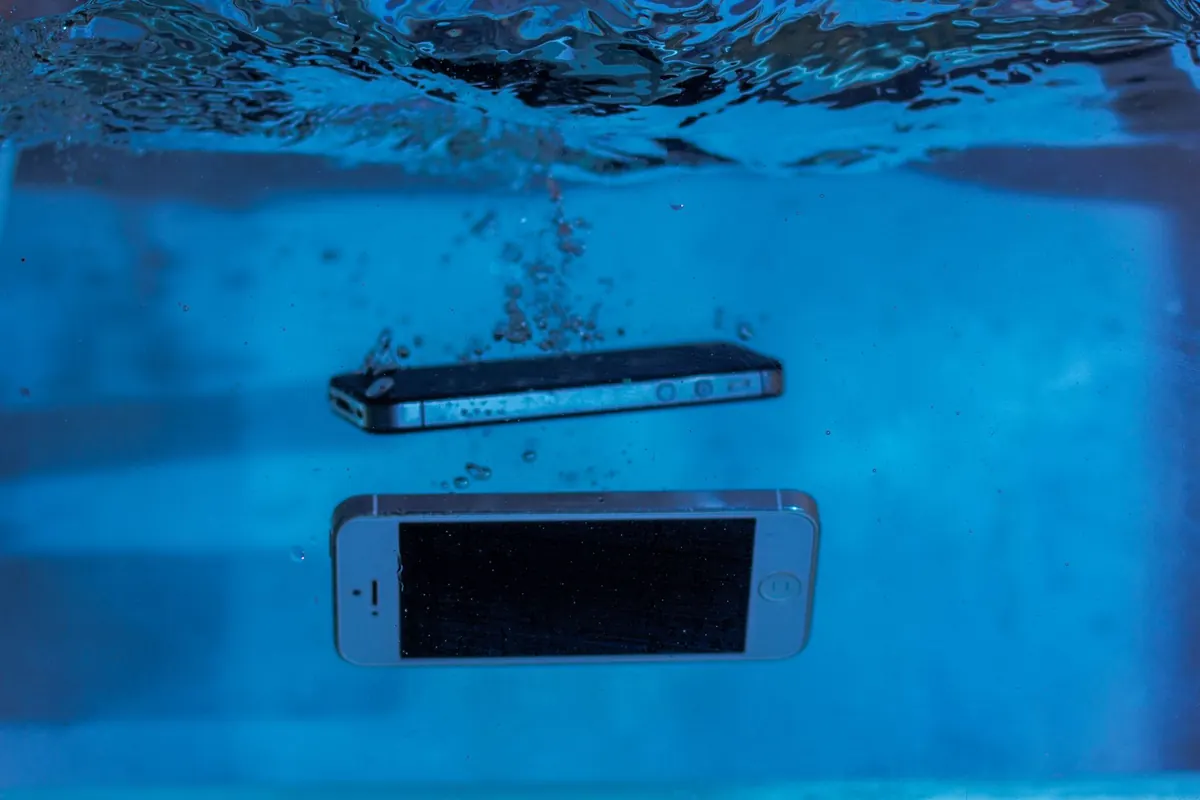
Waterproof and water-resistant cases sit on the same shelf, cost similar money, and often look nearly identical. The difference shows up on the water: one keeps your phone alive after a wave breaks over the kayak, the other quietly lets in a teaspoon and ends the day. The packaging rarely explains which one you are holding. A few letters and numbers will, if you know how to read them.
Water-resistant is the honest, technical term: a product is built to tolerate water to a defined degree — a set depth, a set time, under controlled conditions. It is not expected to shrug water off forever.
Waterproof is a marketing word. Nothing is waterproof in an absolute sense. Leave any case deep enough or under pressure long enough and water gets in. When a brand calls a case waterproof, it usually means the case passed an immersion test such as IPX7 or IPX8. That is a real claim, but a limited one.
If a product claims to be waterproof and lists no IP rating, no depth and no time limit, treat the claim as decoration. Reputable makers publish the numbers. A case described only as “waterproof” might keep out a splash, or it might survive a dunk in the sink. Without the rating, you are guessing — and the phone pays for the guess.
IP stands for Ingress Protection. The code has two characters after the letters: the first covers solids, the second covers liquids. When only water is rated, it is written IPX. Higher numbers are not always a superset — IPX6 and IPX7 test different things, so a case can pass one and fail the other.
The ratings you will actually see:
An IP68 case is dust-tight and survives immersion beyond one metre, but the “beyond” is whatever the maker tested — 1.5 metres for 30 minutes, 3 metres for an hour, or something else. The spec sheet is the contract; the number on the box is only the headline.
IP ratings are tested in still, fresh water at controlled temperatures. Real water is rarely that polite. A moving river, a jumping entry into a pool, or a wave hitting a case adds pressure. Depth and pressure are linked: every extra ten metres of fresh water adds roughly one atmosphere of pressure. A case rated to one metre may leak at two metres even if the time is short.
Salt water, chlorine, sunscreen, sand, and temperature swings can also degrade seals. A hot car can expand the air inside a case, and cold water can then create suction that pulls at the gaskets. A case that passed IPX8 in a lab may fail after a summer of beach use if the seal is gritty or the port cover has been opened a hundred times.
An IP rating is a lab result, not a promise about your river, your pocket, or your toddler.
Ask where the case will go, not what word sounds safer. The right rating depends on your worst realistic exposure, not your most optimistic hope.
If you only need protection from rain and spills, a water-resistant case is lighter, cheaper, and often lets sound through better. If you need to submerge the phone, pay for a true immersion rating and inspect it before every trip. The middle ground — an IPX6 case used in a pool — is where most water-damaged phones come from.
Most case leaks happen at the same places: charging port covers, speaker membranes, camera lens seals, and the main gasket. A single grain of sand under a gasket can create a channel. A port cover that is 95 percent closed is open. A cracked screen protector or a bent frame can break the seal. Even a case with an IP68 rating may lose it if you open the port to charge in humid air and then close it with moisture inside.
Follow the maker’s maintenance: rinse in fresh water after salt or chlorine, dry fully, check gaskets, and replace worn parts. Some makers sell replacement gaskets; if yours does not, treat the case as disposable after hard use. A case is not a permanent waterproof shell any more than a raincoat is a submarine.
Look for four things: the exact IP rating, the test depth, the test duration, and whether the rating applies to the case alone or the case with a phone inside. A case may be IP68 empty but not with a phone’s buttons pressing the seal. Check warranty language too. Many warranties exclude water damage, even on water-resistant cases. A “waterproof” claim may only cover manufacturing defects in the seal, not the drowned phone.
If the listing says “waterproof” with no number, assume it means “water-resistant enough for a splash” and no more. If the listing says IPX8 but does not say how deep or how long, email the maker or walk away. The details are not fine print; they are the product.
Choose the case that matches the water you will actually meet. A water-resistant case is not a failure; it is a tool with a boundary. A waterproof case is not magic; it is a tool with a tested boundary. Read the numbers, respect the seals, and the difference between the two words stops being a gamble.
Photo: Sergey Meshkov / Pexels
Previous Post
The Ultimate Travel Checklist for Protecting Your Gadgets
Next Post
Gadget Protection 101: Essential Accessories for New Device Owners